Residential Stamped Concrete
Request an estimate for your project
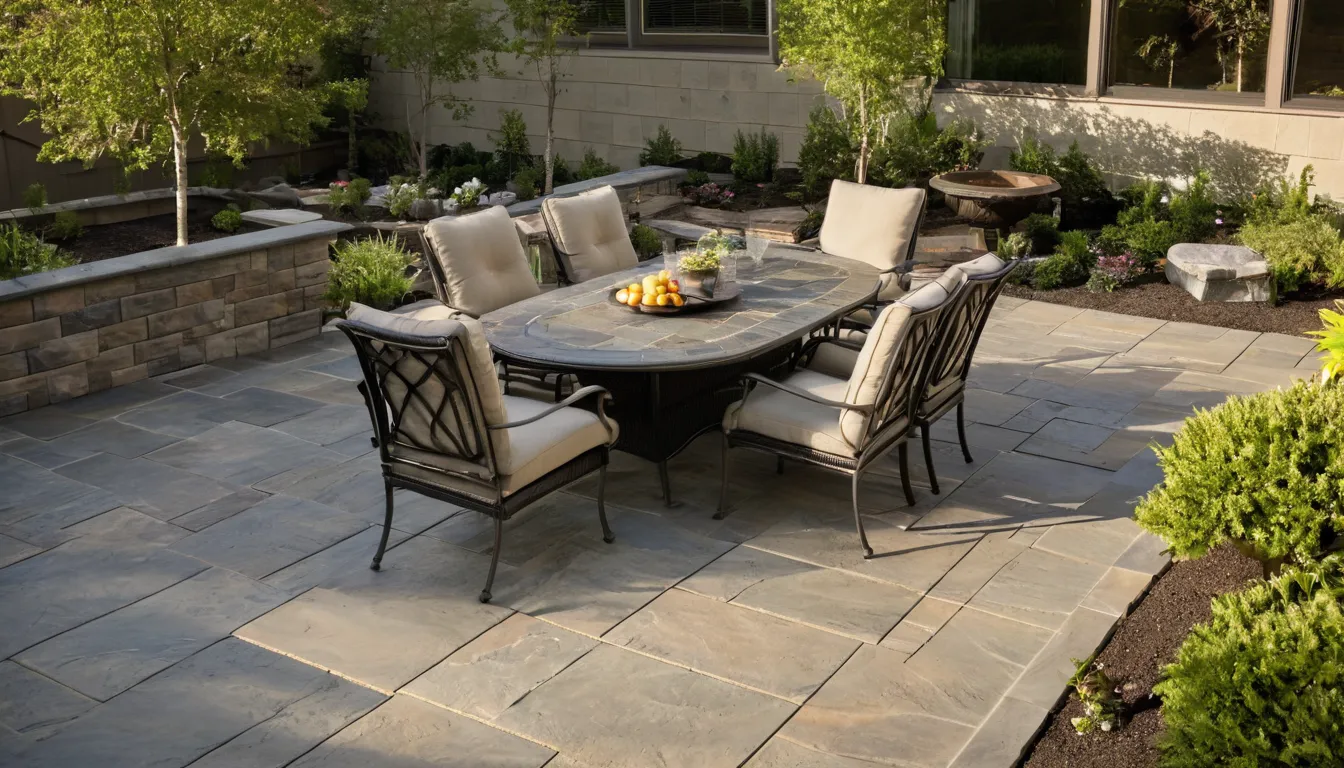
Stamped concrete starts with a poured slab. A provider presses a pattern into the surface while the concrete is workable, then completes the specified finish. You can choose textures that resemble stone, brick, or wood, with colors suited to your home. Before choosing a design, discuss how you intend to use the space, where rainwater should go, and how equipment can reach the site.
Policekills Concrete is a referral service for homeowners across the Elgin area. Providers in our network assess the site, explain suitable options, and prepare their own estimates. They set project terms and perform the work under their own agreements. Use the estimate process to compare preparation, pattern details, sealing, and cleanup. Ask for a written scope so you can decide whether the proposed work fits your plans and budget, without obligation.
Have a project date in mind?
Share it when you request an estimate. A gathering, fence installation, or yard project can affect when the space needs to be usable. Ask the provider about site assessment, scheduling, and curing before you book other work. Concrete needs time to gain strength after placement, even when the surface looks dry.
Start with the planned use
For residential stamped concrete in Elgin, describe the space before selecting a pattern. Mention furniture, foot traffic, steps, and any expected vehicle use. These details affect the proposed slab and finish. Include rough dimensions and photos with your request, while leaving final measurements to the provider.
Understand the referral arrangement
Policekills Concrete connects homeowners with independent local providers. The provider evaluates your property, recommends a scope, and sets pricing and contract terms. Questions about construction methods, payments, or project changes belong in that discussion. You can review the proposal and decide without obligation before entering an agreement with the provider.
Check where water goes
Point out puddles, downspouts, basement windows, and sump pump outlets during the site visit. Spring flooding and heavy thunderstorms make drainage worth discussing early. Ask how the proposed surface will slope and where runoff will discharge. Confirm that the plan accounts for nearby foundations, door thresholds, and neighboring property.
Ask what sits beneath the slab
Concrete flatwork means poured surfaces such as slabs and walks. Its performance depends partly on the ground beneath it. Deep winter frost makes soil conditions and base preparation important questions here. Have the provider explain excavation, compaction, slab thickness, and any reinforcement specified for your intended use and site conditions.
See how the pattern is formed
After concrete is placed and finished, the provider presses textured mats into the surface at the appropriate stage. Color may be mixed into the concrete or applied at the surface. Ask which method the quote includes. Borders and extra colors can add labor, so each should appear in the scope.
Choose the scale of the pattern
Large stone patterns can look different on a narrow walk than on a broad sitting area. Brick layouts create more visible lines. Wood textures have their own direction and repetition. Request photos of comparable layouts, then ask how the pattern will meet steps, edges, and planned joints on your property.
Review color on a sample
Screens and printed charts give you a starting point. Check finish samples outdoors if the provider has them available. Wet concrete and sealed concrete can look darker than a dry, unsealed sample. Ask about expected color variation and how the chosen sealer affects appearance before approving the selection in writing.
Consider the surface underfoot
Stamped concrete patios, entry walks, and pool surrounds have different demands. Deep grooves may affect chair placement or comfort under bare feet. Wet surfaces need particular attention. Discuss texture, sealer, and any proposed traction additive. Ask the provider to explain the limits of the finish when rain, snow, or ice is present.
Compare stamped concrete with pavers
Stamped concrete forms a continuous slab with planned joints. Pavers are separate units placed over a prepared base. Compare the installed scope, future maintenance, and access to buried utilities. Replacing an individual paver and patching a colored slab involve different tradeoffs. Ask how each option would address your site's drainage and ground conditions.
Put joint locations on the plan
Control joints are planned grooves that help manage where shrinkage cracks form. They remain visible and should be discussed alongside the decorative pattern. Ask where they will run and how the slab will meet the house or existing concrete. Concrete can still crack, so discuss the provider's written terms for that possibility.
Confirm equipment access and cleanup
Measure narrow gates and mention fences, low branches, or landscaping you want protected. Limited access can change the placement method and price. Ask whether the estimate includes removal of existing materials, hauling, and restoration of disturbed areas. Confirm where equipment and materials will be staged throughout the project before accepting the proposal.
Separate work time from curing time
The schedule can include excavation, base preparation, placement, stamping, and later finishing steps. Weather may change that sequence. Hot, humid summer conditions and forecast storms require the provider to assess suitable working conditions. Get separate guidance for walking, moving furniture, and vehicle use where applicable. Avoid planning around a single completion date alone.
Compare the written details
Check that each proposal uses the same dimensions and describes the selected pattern, color, and sealer. Look for preparation details, payment terms, cleanup, and exclusions. Ask how changes are priced and approved. A smaller total may reflect a different scope, so resolve missing items before deciding which proposal fits your project.
Plan for routine care
Ask for care instructions for the actual sealer and finish used. Discuss cleaning products, winter deicing practices, and signs that resealing may be needed. Sealer wears differently with exposure and traffic. Keep the color and product details with your agreement so a future provider has useful information when assessing maintenance needs.
Send a clear project request
Describe the new stamped surface you want, its approximate size, and any access or drainage concerns. Concrete driveway repair and requests for foundation repair experts fall outside this page's new stamped concrete scope. Submit your project details through the request form. Request a callback to check provider availability if you prefer to discuss the request.
What's Included
Pattern Choices
Discuss texture, pattern scale, and border details with a provider before approving your design.
Site And Access Review
A local provider checks dimensions, ground conditions, drainage concerns, and equipment access for your project.
Written Scope Details
Ask for preparation, materials, finish selections, cleanup, and exclusions to appear together in your proposal.
Finish Care Guidance
Request cleaning and sealing instructions suited to the products your provider uses on the surface.
What Your Project Could Cost
These typical U.S. planning ranges vary by job, location, access, and finish complexity. Square foot rates describe complete installations at different design levels. Request a written quote based on your property.
| Project or finish | Typical U.S. range | What affects the price |
|---|---|---|
| Simple stamped installation | $10 to $16 per square foot | One pattern and limited color detail; site preparation varies. |
| Moderately detailed installation | $16 to $22 per square foot | Added borders, color variation, or more involved layout. |
| Complex custom installation | $22 to $30+ per square foot | Multiple patterns, detailed coloring, and added finishing labor. |
| 200 square foot simple project | $2,000 to $3,200 | Illustrative total; small project minimums may increase pricing. |
| 400 square foot moderately detailed project | $6,400 to $8,800 | Illustrative total before unusual access or drainage requirements. |
| 600 square foot complex project | $13,200 to $18,000+ | Illustrative total; confirm demolition and site work in writing. |
How It Works
Describe Your Project
Share approximate dimensions, intended use, preferred patterns, and any known access or drainage concerns with your request.
Discuss The Site Conditions
A local provider can assess the property and explain preparation needs before proposing the work.
Review Your Written Estimate
Check measurements, finish selections, exclusions, and payment terms, then ask the provider to clarify gaps.
Decide On The Proposal
Choose whether to proceed after reviewing the provider's scope, schedule, and agreement terms.
Why Call Policekills Concrete
Know Who Handles Construction
Independent providers assess sites, set their terms, and carry out the agreed work.
Useful Questions
Prepare for provider discussions about drainage, finish choices, access, and written pricing.
Comparable Proposals
Check scope details side by side before deciding which proposal fits your plans.
Your Decision
Review the provider's proposal and decide whether to proceed, with no obligation.
Other Services
Need residential stamped concrete in Elgin?
Describe your new driveway or patio through the request form. Policekills Concrete connects homeowners with independent local providers to discuss scope and estimates.
No obligationResidential Stamped Concrete FAQ
- Is stamped concrete slippery when wet?
- It can be, depending on texture, sealer, and surface conditions. Ask the provider about traction options for the intended use. Snow and ice still require care, regardless of the decorative finish selected.
- How long before I can use new stamped concrete?
- The provider should give separate instructions for foot traffic, furniture, and vehicles where applicable. Timing depends on the concrete, weather, and finishing products. Confirm those instructions before planning an event or moving heavy items onto the new surface.
- Does Policekills Concrete install residential stamped concrete?
- No. Policekills Concrete is a referral service that connects homeowners with independent local providers. The provider assesses your site, supplies the estimate, sets agreement terms, and performs any work you choose to accept.
Request a callback
Describe your new driveway or patio through the request form. Policekills Concrete connects homeowners with independent local providers to discuss scope and estimates.
No obligation